
Prior to encountering intentional camera movement (ICM), the idea of painting with our camera, a tool primarily intended for capturing crisp images, had never crossed my mind. A photograph lacking crispness could be perceived as the work of an amateur photographer who has yet to master fundamental photography techniques. To many, it appears that only painters possess the liberty to maneuver their paintbrushes in portraying the motion of leaves, capturing the essence of the wind’s presence. Now, with the ICM technique, photographers also possess the means to depict the movement of elements within their photographs.
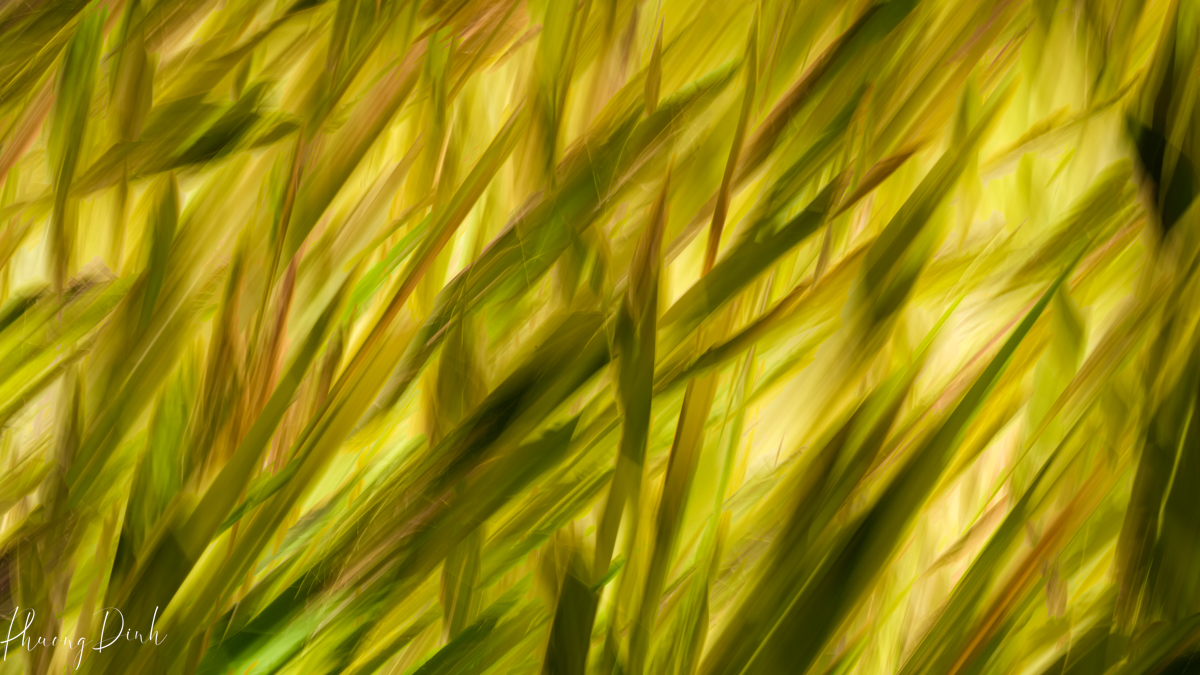
In ICM photography, blur is not a flaw; it is a deliberate choice. By intentionally blurring elements within the frame, photographers can convey a sense of motion, energy, and abstraction. This departure from sharpness allows for the creation of ethereal, dream-like images that engage the viewer’s imagination and convey the photographer’s emotions.

Mastering ICM was not without its trials. My early experiments were chaotic, often resulting in images that were less art and more accident. Yet, with every shutter release, I learned. Slow shutter speeds, typically ranging from a few seconds to several seconds, became my best friend, allowing me to stretch a moment into eternity. However, the optimal shutter speed varies depending on factors such as the speed of movement, lighting conditions, and desired effect.
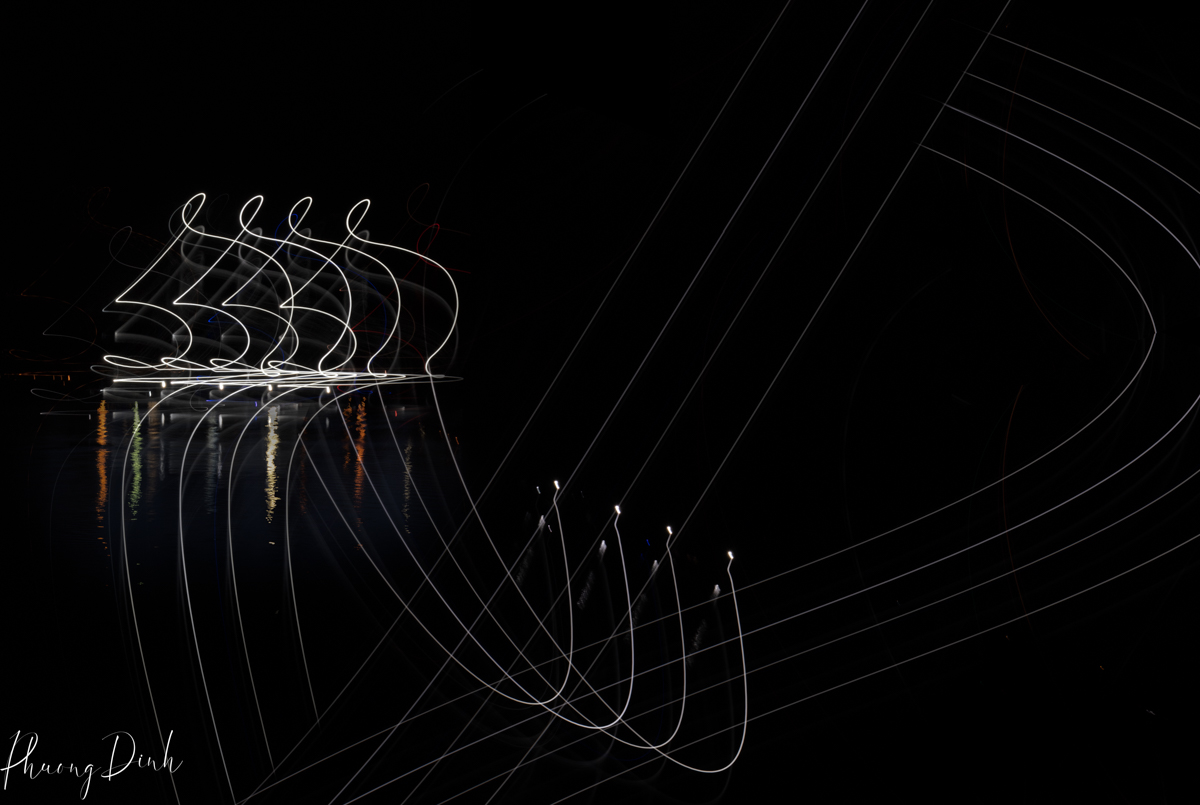

I played with movements—horizontal sweeps over cityscapes turned buildings into waves of light, while vertical lifts in a forest transformed trees into a vortex of colors. The direction and intensity of camera movement greatly influence the final result. Horizontal or vertical panning, spiraling motions, or random movements can all yield distinct effects. The key is to experiment with different movements to see how they interact with the subject and the scene.

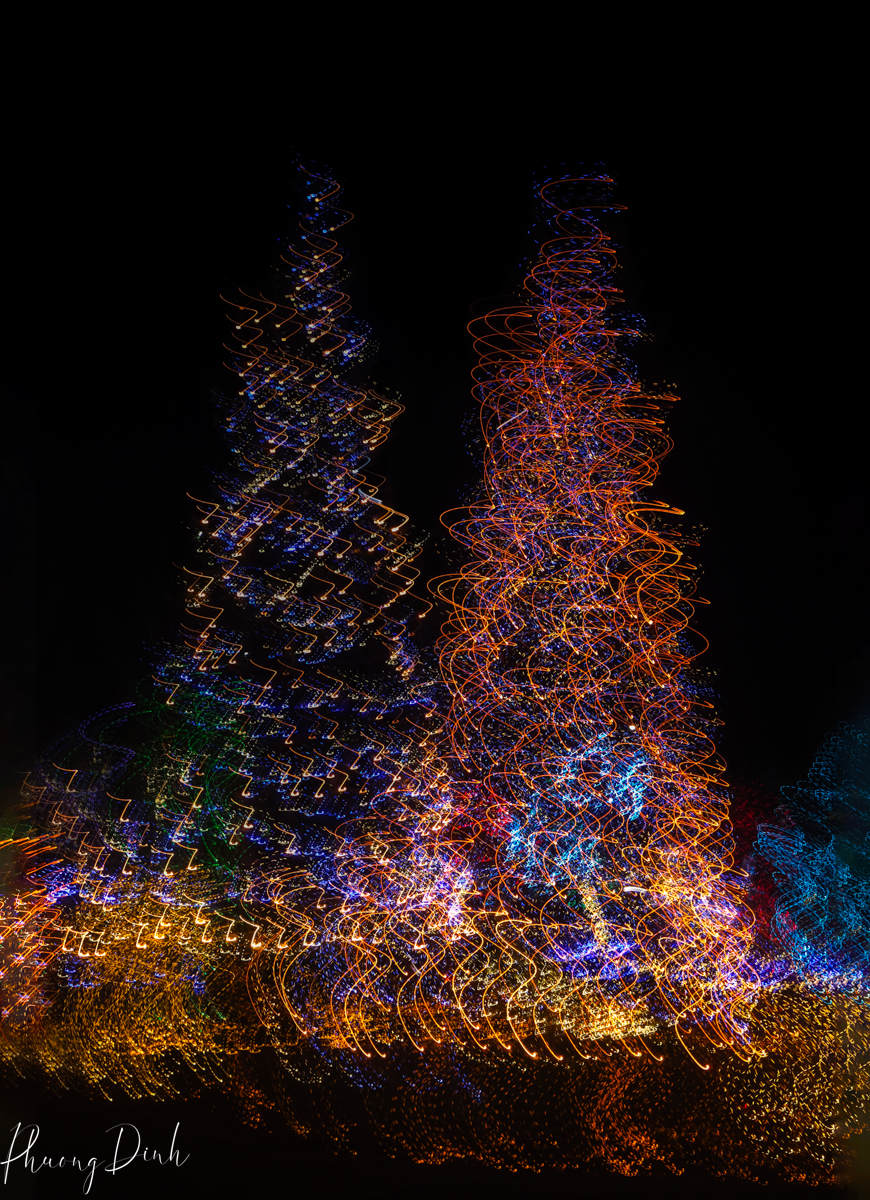
The subjects I most enjoy capturing with ICM are flowers, trees, leaves, and grass. Inspiration for ICM photography can be found everywhere, from bustling city streets to tranquil natural landscapes. Elements that lend themselves to dynamic motion, such as flowing water, swaying trees, or moving crowds are also well-suited candidates for the ICM technique.

What ICM taught me was the beauty of imperfection. In a world obsessed with clarity and sharpness, choosing to blur the lines (quite literally) felt like an act of defiance. Each image I created was unique, impossible to replicate exactly—a fleeting impression of a moment as I saw it, felt it.
The journey into ICM has been more than just a photographic exploration; it is been a voyage into the heart of what it means to truly see. In the blurred lines and swathes of color, I found my voice—a voice that cherishes the imperfect, the ephemeral, the emotional landscape of our lives.


My exploration of ICM is far from over; it feels as though I have barely scratched the surface. Yet, I am eager to share this journey, to show that in the embrace of motion and the acceptance of imperfection, there lies a profound beauty. To those just starting, I say: let go of the conventional, embrace the unexpected, and allow the dance of light and movement to guide you.

ICM has transformed not just how I photograph, but how I view the world—no longer as a series of still frames, but as a continuous flow of moments and emotions, each more fleeting and beautiful than the last. In the blur, I have found my clarity.
Subscribe to stay informed about blog updates and new print releases. All email addresses are kept strictly confidential and will not be disclosed to third parties.
© 2023 Copyright Phuong Dinh. All rights reserved.
Discover more from Phuong Dinh
Subscribe to get the latest posts sent to your email.
 Phuong Dinh